

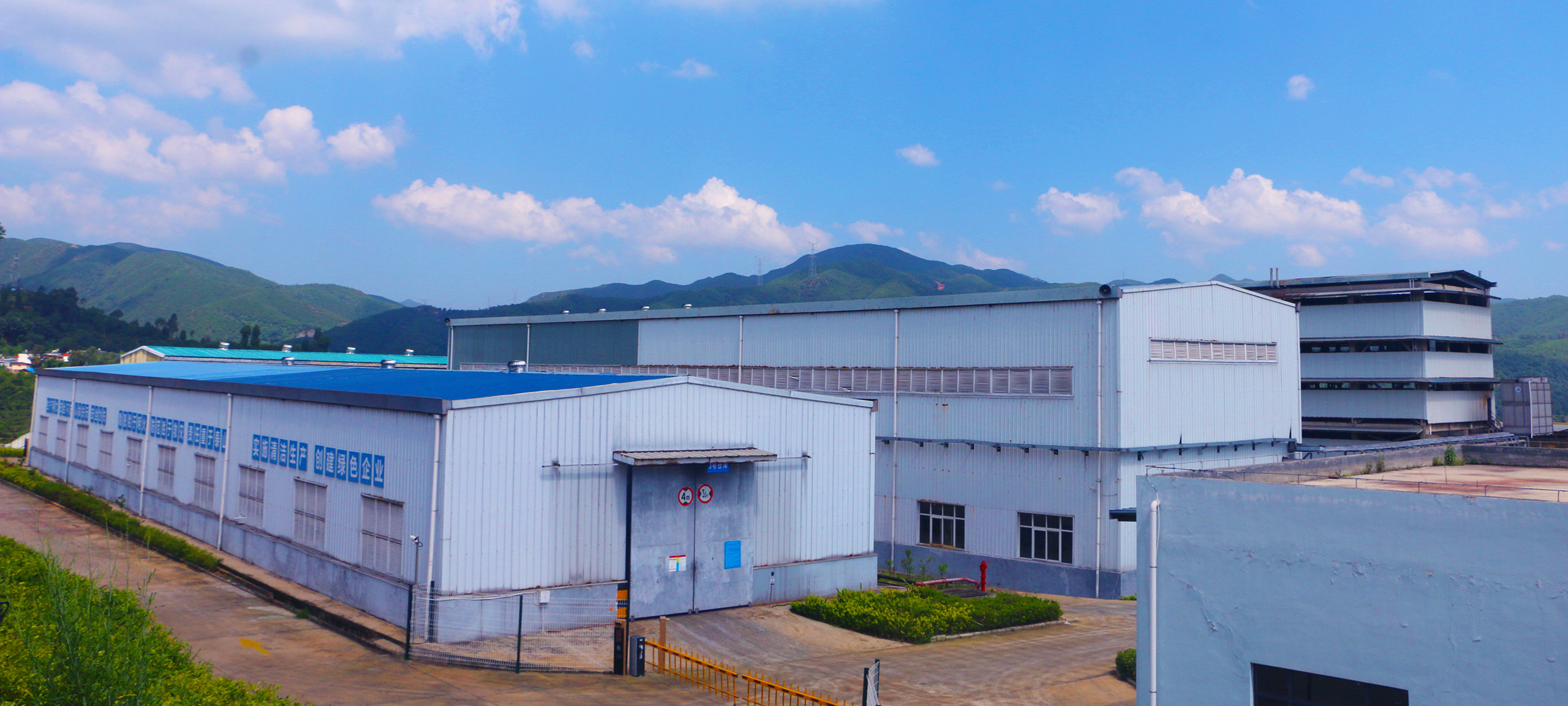
Our company is actively organizing and carrying out research on new flotation reagent technology for copper smelting slag.
Classification:
Corporate News
Author:
Source:
Release time:
2022-08-24
On August 23, our company held a special seminar on the technical breakthrough of new flotation reagents for copper smelting slag. We summarized the phased results of the previous stage of the technical breakthrough, discussed the difficulties encountered in the technical breakthrough, and clarified the work ideas and arrangements for the next stage.
Since last year, our company has focused on reducing tailings grade and improving copper recovery rate, organizing technical breakthroughs for new flotation reagents for copper smelting slag. After more than a year of efforts, over 500 sets of experiments have been conducted, achieving gratifying results and laying a solid foundation for the next stage of technical breakthroughs.
In order to deeply implement the development concept of "Lucid waters and lush mountains are invaluable assets," improve the comprehensive utilization rate of mineral resources, reduce the discharge of smelting waste slag, protect the ecological environment, and further promote the implementation of the innovative strategy of "one mine, one reagent" at Tiefeng, enhancing the brand value and competitiveness of Tiefeng's mineral processing reagents, in recent years, our company has actively organized the research and development of new reagent products under the "one mine, one reagent" initiative to meet the differentiated needs of market customers. The independently developed DF series of new efficient and environmentally friendly mineral processing reagents have achieved good results in the flotation production of complex and difficult-to-select ores, receiving full recognition from market customers. While creating value for customers, it has also promoted the innovative development of the company.

Figure 1: Company leaders and the project breakthrough team engaged in in-depth discussions.

Figure 2: Organizing mineral processing experiments.

Figure 3: Organizing mineral processing experiments.
Previous:
Copyright: Yunnan Tiefeng Mining & Chemical New Technology Co., Ltd
Website construction:www.300.cn Kunming 丨Privacy Policy
Office:0878-4838429
Sales Hotline:0871-68302180
Technical consultation and service hotline:13888940358
Mailbox:tiefeng_yaoji@sina.com
Production Base: Qinfeng Industrial Park, Lufeng City, Chuxiong Prefecture, Yunnan Province
Kunming Office Address: 15th Floor, Building A, Area A1, Greenland Yundu, Chenjiaying Road, Wuhua District, Kunming City, Yunnan Province (Bali Hotel)

WeChat Public Number

WeChat Video Number
Tiktok